
Offshore leakage, prediction markets, a shrinking foal crop and rising legal risk. Two days in Melbourne mapped the pressures on wagering, racing and sport, and found more agreement on the fixes than you might expect.
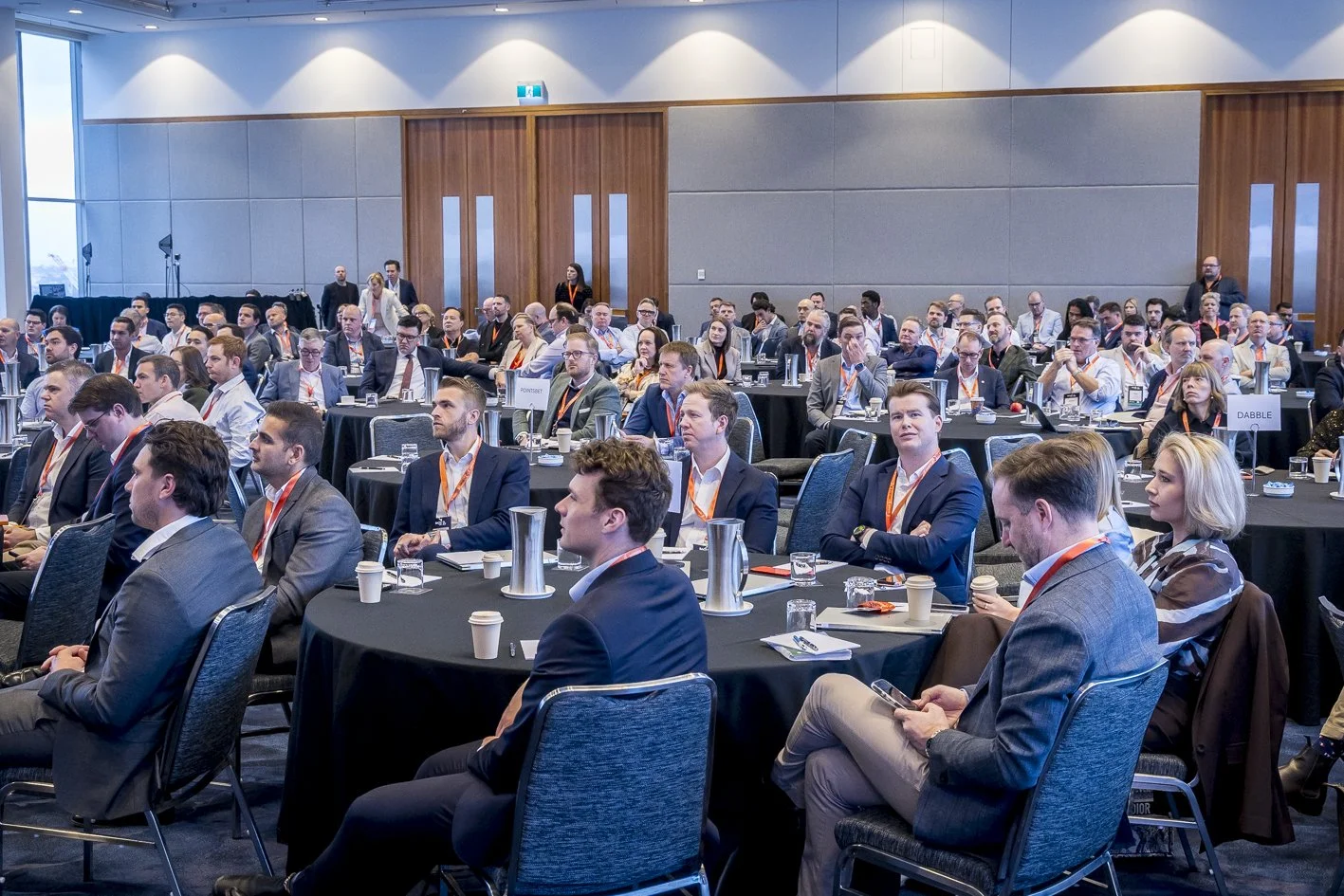
If one idea summed up BTP 2026, it was this: the industry has one pie and many legitimate claims on it and spends too much energy arguing over the slices. Across 2 & 3 September 2026, 260 delegates from 116 organisations and 43 speakers kept arriving at the same answer. Grow the pie together or watch someone else take it.
Here’s what we heard.
1. The punter’s wallet has stopped growing
The market outlook opened the conference on a sober note. Australia isn’t in a recession, but many households are in a housing-driven cash-flow squeeze. Gambling spending isn’t falling; it has stopped accelerating, and parts of the market are showing signs of saturation.
The year in review set the scene: Tabcorp’s $267 million deal for BetMakers, a new CEO at Flutter and wagering reforms passing Parliament. The picture on course was brighter, with wagering on the biggest race days reported up 10% year on year.
2. Offshore is the threat everyone agrees on
A study by H2 Gambling Capital puts Australia’s illegal offshore market at $3.9 billion in 2025, more than double its 2019 size and on track for $5 billion by 2029. Offshore gambling now accounts for 36% of all online gambling in Australia. The study found that half of Australians gambling offshore did so while registered with BetStop, the national self-exclusion register.
Speakers drew a parallel with illicit tobacco, observing that excessive regulation may redirect demand to unregulated suppliers rather than reduce it. The C-suite panel questioned whether geo-blocking of websites alone works, pointing to payment controls and banks as stronger levers. The international panel cautioned that Australia is likely to face the same regulatory and enforcement challenges experienced in other jurisdictions.
3. Prediction markets are coming, and the law hasn’t caught up
In the US, prediction markets have turned sports betting into a ‘financial product’. Approximately 70% of volume on the big platforms, such as Kalshi and Polymarket, comes from US states without legal online sports betting. US courts are split on whether these contracts are swaps or gambling, and a Supreme Court ruling looks likely within a year. In Australia, prediction markets are restricted by online gambling laws and binary options. Any Australian prediction market would therefore need to comply with these laws or establish that it falls outside their scope.
4. Punters are calling for fairer terms and simpler products
The punters’ panel was the most candid hour of the conference. Pro-punters described their turnover falling sharply over the past decade, squeezed by wider margins, account restrictions and minimum bet limits (how much a bookmaker must be willing to lose on a single bet). They pointed to the tax and fee structure, not the bookmakers, as the root cause, and questioned why automated betting is still off limits in 2026.
The panel called for turnover-based minimum bet limits that account for each operator’s size, a national wagering regulator and better access for racing content creators. On the proposed national tote, the panel was cautious: a bigger pool means little unless it delivers better value. The C-suite panel went further, questioning whether customers care about tote betting at all.
5. The courtroom is becoming a regulator
Litigation was a major theme of day two. UK cases are testing whether operators owe customers a digital duty of care. Closer to home, there’s the in-play class action against Sportsbet, and AUSTRAC’s case against Entain heads to a contested hearing in late November.
The clearest signal that the courtroom is becoming the regulator can be seen in the penalties that are now designed to exceed operators’ profits. In ACMA v Jones (No 7), an online poker operation that made $4.2 million was hit with $24 million in penalties. With an ACMA-run advertising opt-out register arriving on 1 January 2027, the pace isn’t slowing.
6. Safer gambling works best when it’s part of the product
The safer gambling discussion focused on prevention for the many, not just intervention for the few. Research shared on the day suggests people typically lose about twice what they think they do. The single best predictor of harm? How satisfied customers are with their own gambling.
BetStop now has around 70,000 registrants, and most report a better quality of life. Speakers made the case for protection built into the business rather than bolted on. Fraud prevention has taken on greater strategic importance as real-time payments and AI-generated identities have shifted its role from a cost centre to a critical safeguard for revenue.
7. Racing has a supply problem
Australia’s foal crop, the number of thoroughbreds born each year, is down 13% in five years. Nearly half of breeders own a single mare, and the import buffer that has kept starter numbers up is fading. The breeding panel’s message to administrators was clear; if you plan for smaller, you will get smaller.
At the other end of the pipeline, speakers highlighted the risk that racing could struggle to maintain its appeal among younger audiences. The innovation panel emphasised the need for simpler, more accessible products, free-to-play prediction games and richer data to help engage the next generation of fans.
8. Alignment over agreement
A recurring theme throughout the conference was the importance of alignment over unanimity, alongside a more considered approach to the broader implications of industry decisions. The integrity discussion highlighted fragmented leadership structures and a lack of clear overall accountability. The closing message reinforced the need for stakeholders to advocate for their respective areas while recognising necessary trade-offs, reducing duplication and working collaboratively to achieve sustainable growth across the sector.
See you in 2027
Thank you to the speakers, partners and delegates who made BTP 2026 what it was, on stage, in the breaks and at the networking evening. Next up: the BTP 2027 save the date announcement, landing in your inbox soon.
BTP sessions are held under the Chatham House Rule so speakers can be candid.